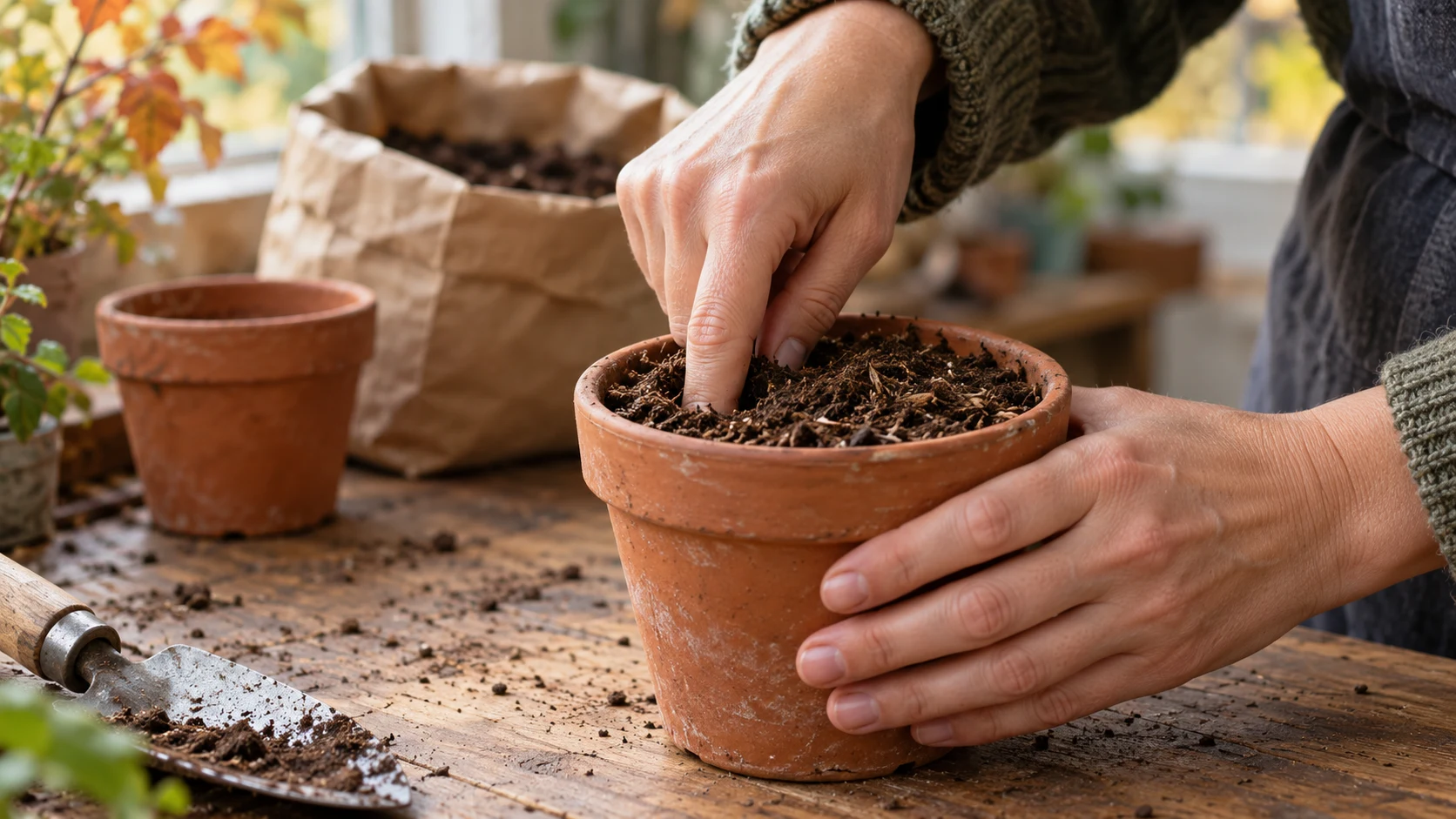
Peat-Free Compost: Choosing a Blend, Watering and Feeding
Choose peat-free compost for the plant and its purpose. Learn how to check moisture, read feeding instructions and avoid unnecessary extra fertiliser.
Choose peat-free compost for the plant and its purpose. Learn how to check moisture, read feeding instructions and avoid unnecessary extra fertiliser.
Feed the lawn two to three times a year: a spring application once growth is underway, an optional light summer feed in midsummer, and a potassium-heavy autumn feed no later than early September for cooler zones. Apply no more than 0.5 kg nitrogen per 100 m² (1 lb per 1,000 sq ft) per application, and…
Quick answer: Direct-sow tough annuals like zinnias, cosmos and cornflowers once the soil has warmed, or start snapdragons, sweet peas and dahlias 4–6 weeks earlier indoors. Pinch young plants at 6–8 in (15–20 cm) tall to force branching, cut early in the morning, and get stems into cool water immediately. Most annuals hold up 4–10…
Quick answer: The easiest roses for beginners are disease-resistant shrub and rugosa types such as Bonica, Fru Dagmar Hastrup and The Fairy. They shrug off black spot and powdery mildew without spraying, survive USDA zones 3-6 without winter protection once established, and rebloom through the season. Skip fussy hybrid teas as a first rose.
Quick answer: Clear or weaken the existing grass, then sow a wildflower mix suited to your soil in early fall or mid-spring at roughly 0.5–1 oz per 100 sq ft (check your seed packet). Oversow yellow rattle into existing turf to knock back grass vigor, cut the meadow once or twice a year, and always…
Quick answer: Most rose problems come down to four culprits: black spot, powdery mildew, rust, and aphids. Check where the symptoms sit first — spots and powder on the leaves point to fungus, sticky curled shoots point to insects. Remove affected parts right away, water at the base instead of overhead, and pick disease-resistant varieties…
Quick answer: Butterflies need three things from a garden: nectar-rich flowers blooming from early spring through fall, host plants for caterpillars (milkweed for monarchs, dill or parsley for swallowtails), and a sunny, wind-sheltered spot. Plant in drifts of at least 3–5, skip pesticides and heavily double-flowered cultivars, and add a shallow patch of damp sand…